Kā Kaupapa o te Wā
What’s On
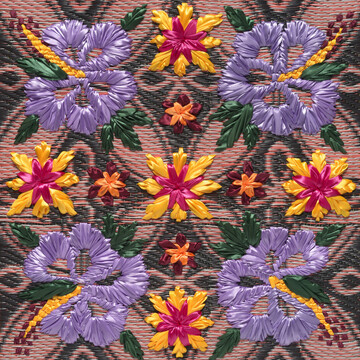
Made in the Pacific: A Collection of Tāoga
A selection of Pacific tāoga from the Canterbury Museum in conversation with contemporary artworks that highlight the continued strength in culture and traditional art forms.
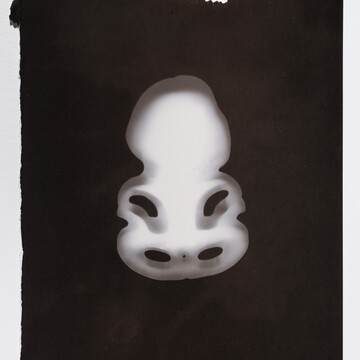
Mark Adams: A Survey | He Kohinga Whakaahua
A comprehensive survey spanning the artist's career.
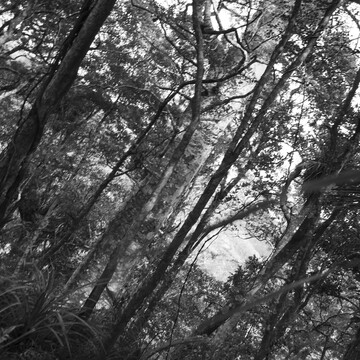
Ana Iti: Ngahere Behind a Pile of Metal
An immersive installation considering the legacies of deforestation and significance of kauri trees.
E tuwhera ana te wharetoi i kā rā e 7 o te wiki, 10am - 5pm
Ka tuwhera ki te 9pm i kā pō Wenerei
Open 7 days, 10am - 5pm
Late night Wednesday until 9pm
Uruka utukore, ahokore utukore
Free entry, free wifi
Collection
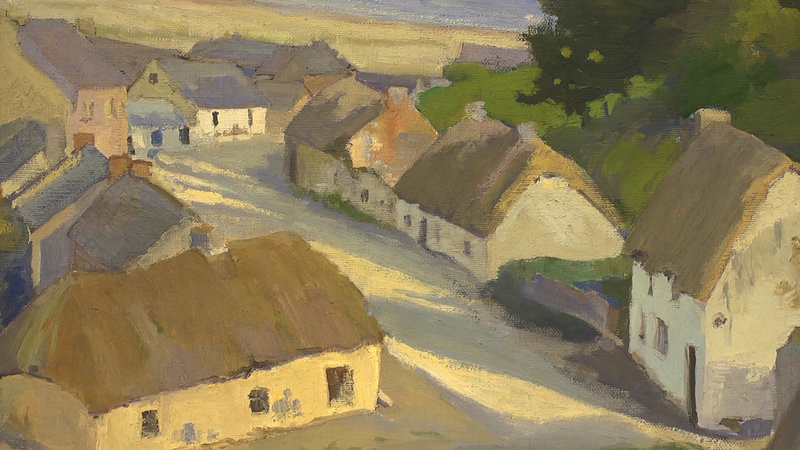
Russell Clark Proud Of My Bell Bottom Trousers And Looking As Desperately Ferocious As I Could
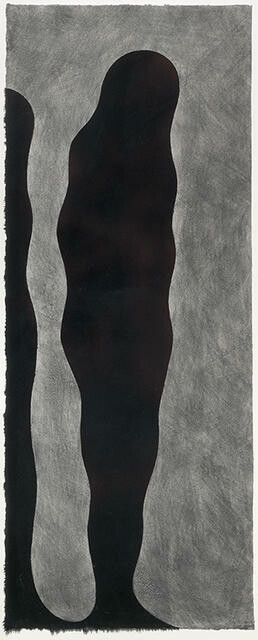
On paper
Collection
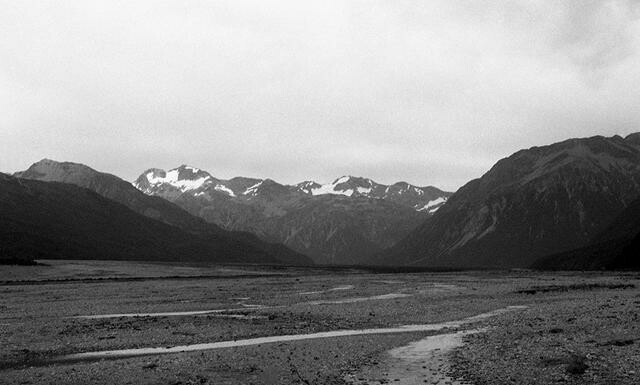
Jeremy Leatinu'u Te Whakawhitinga
Te Whakawhitinga, the transition from one stage to another, is the central theme in this film by Jeremy Leatinu'u. The protagonist, a young man, makes the journey from his home in the north of Te Ika-a-Māui North Island to Te Waipounamu South Island, where he is to undertake his military training during World War II. In the process, he not only transitions physically from north to south but also personally from youth to adulthood. Leatinu'u's film takes us on a road trip, capturing the wonder of the Te Waipounamu landscape seen for the first time. Vast and immense, the mountain ranges and wide braided rivers form a dramatic backdrop as the protagonist finds his way through a new land so very different to his home. As he explores this new landscape, he experiences a sense of personal discovery, too. Poignant connections are made not only between the landscapes of the north and south, but also our relationships with each other and to the land.
He Kapuka Oneone – A Handful of Soil (from August 2024)
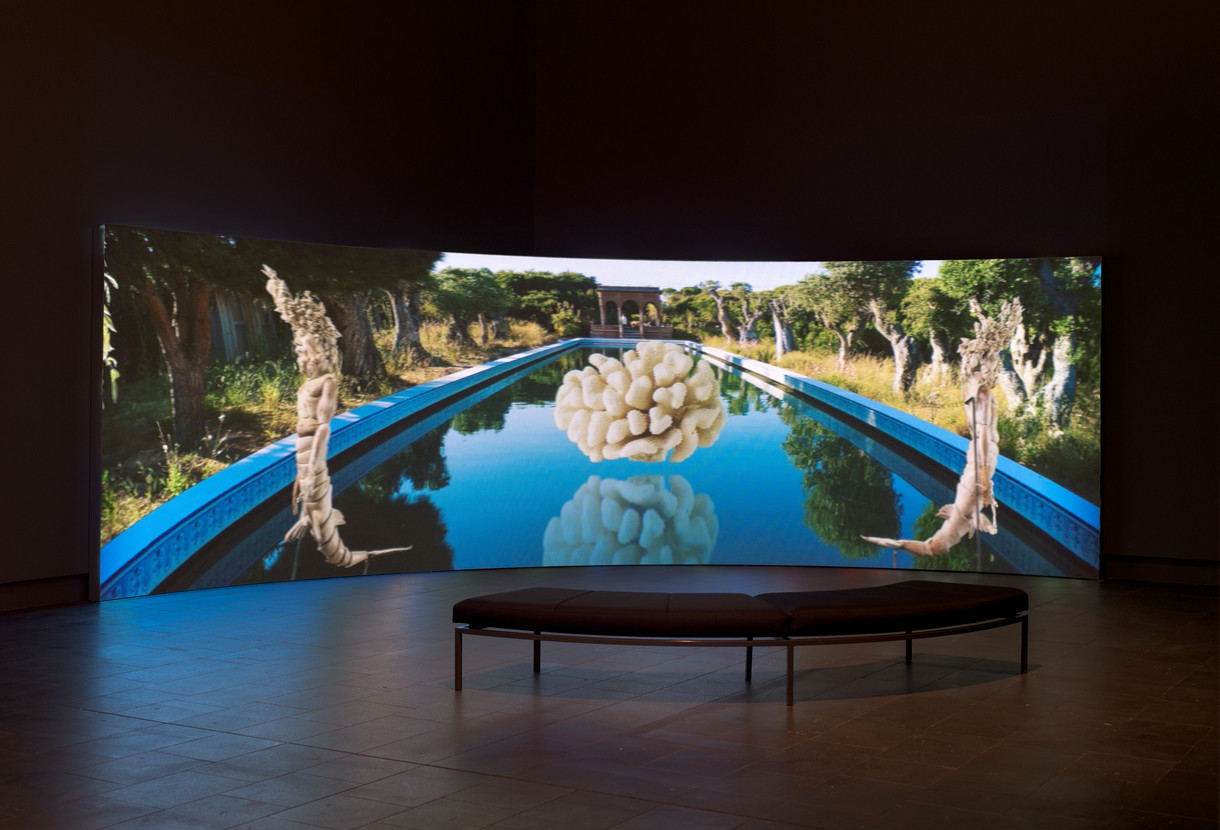
Director's Foreword
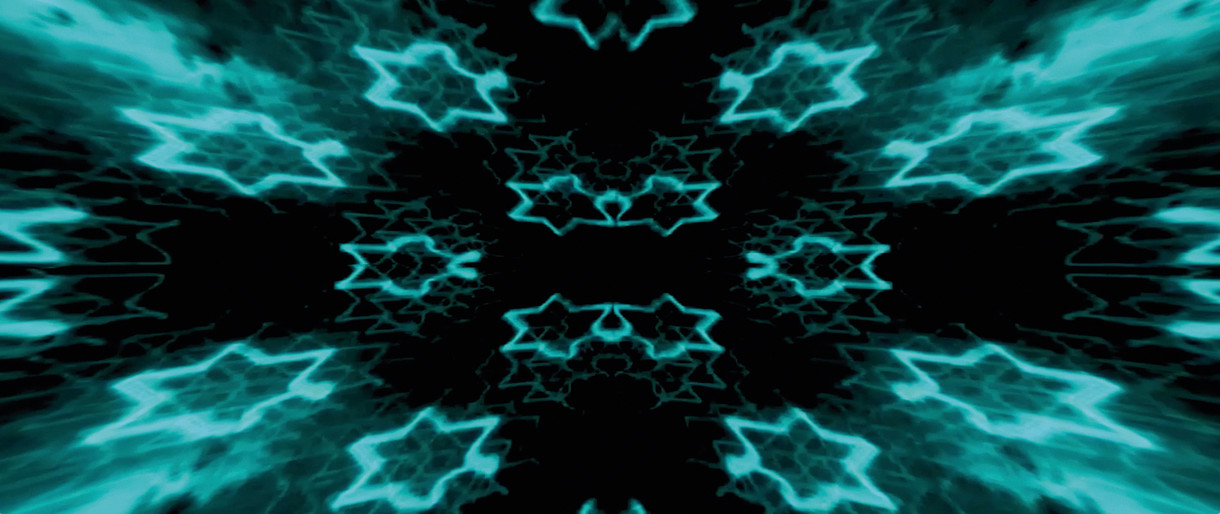
Director's Foreword
It’s been great to watch our visitors returning to the building over the past weeks despite the ongoing effects of Covid-19. This issue is coming to you regretfully late due to the pandemic; it’s one of a few changes to our published schedules as we find our feet again. I urge you to keep in touch via our website and social media for updates on what’s happening as we return to our full and vibrant programme of exhibitions and events.
Commentary
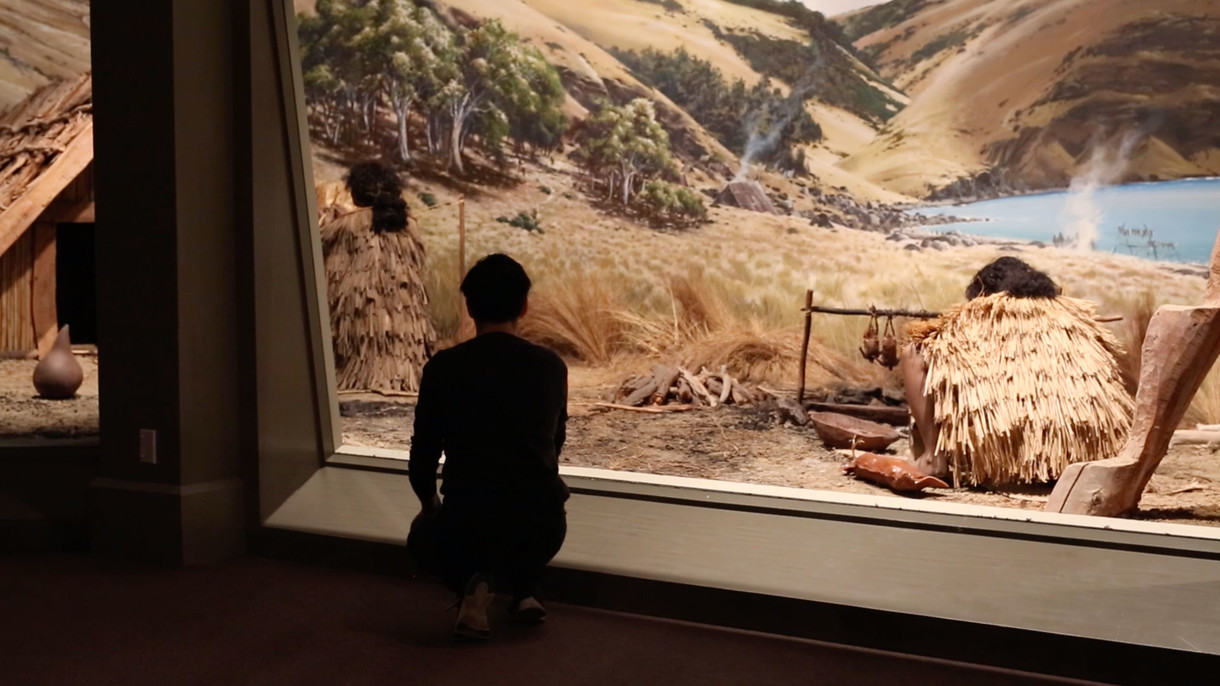
Ka Mua Ka Muri
Our histories are always with us, but who is telling the story? The Gallery’s new collection hang, Perilous: Unheard Stories from the Collection offers up a range of different perspectives on how the past and future might intersect, and invites us to rethink how we commonly see our heritage. Here, the exhibition’s curators have each selected a work from the exhibition for a closer look.