Kā Kaupapa o te Wā
What’s On
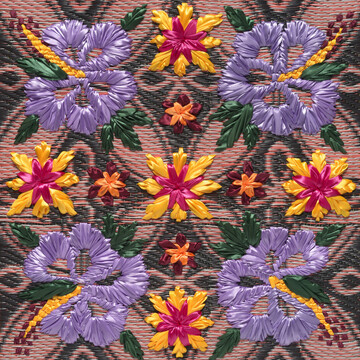
Made in the Pacific: A Collection of Tāoga
A selection of Pacific tāoga from the Canterbury Museum in conversation with contemporary artworks that highlight the continued strength in culture and traditional art forms.
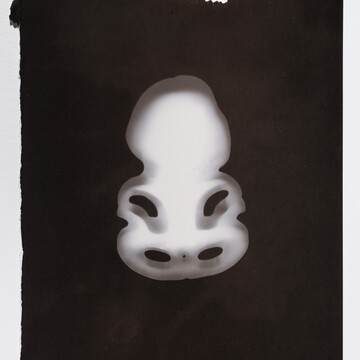
Mark Adams: A Survey | He Kohinga Whakaahua
A comprehensive survey spanning the artist's career.
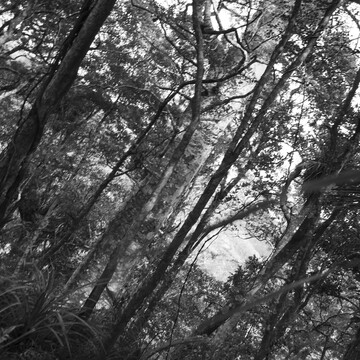
Ana Iti: Ngahere Behind a Pile of Metal
An immersive installation considering the legacies of deforestation and significance of kauri trees.
E tuwhera ana te wharetoi i kā rā e 7 o te wiki, 10am - 5pm
Ka tuwhera ki te 9pm i kā pō Wenerei
Open 7 days, 10am - 5pm
Late night Wednesday until 9pm
Uruka utukore, ahokore utukore
Free entry, free wifi
Commentary
Improvising Protection
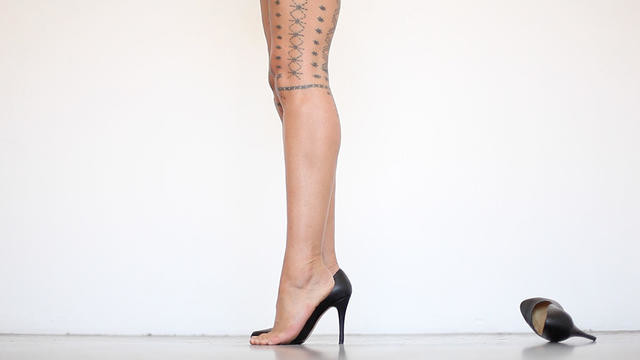
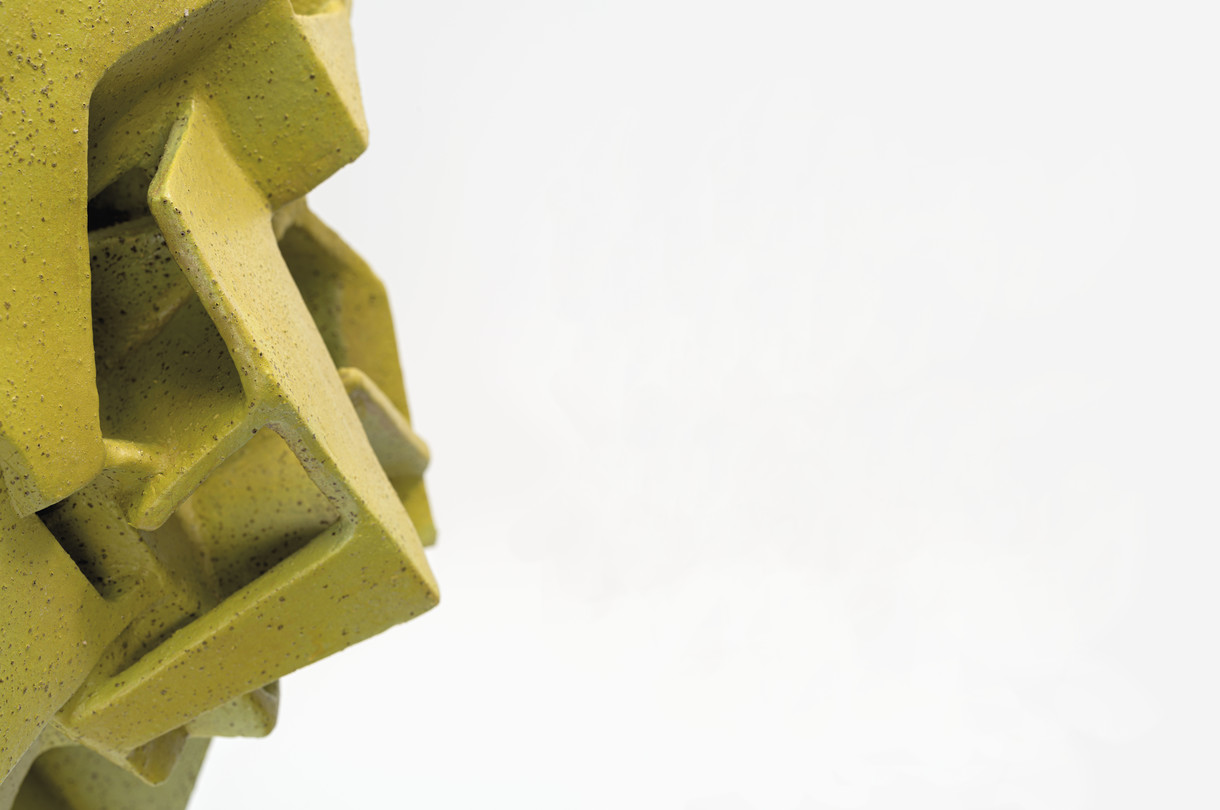
It is mid-winter, and Cheryl Lucas is making work right down to the wire. The survey Shaped by Schist and Scoria opens at the end of August, and she has been working without a break since being awarded the Creative New Zealand Craft/Object Fellowship in 2019. This timespan, which will be inevitably thought of as the start of the Covid years, saw Lucas develop a new body of work that responded to a deep need, personal and societal, for protection while continuing to take risks. Protection from contagions, from financial hardship, food insecurity, the cost of living, global warming, economic recession and the violence that invariably attends disasters, big and small. Protection from whatever is coming at you. But not to deflect it, to integrate it, to use it as fuel. Grist to the mill.
Commentary
Impasse after impasse
"Reinventions can be local, low-key, small scale and subtle in their specific effects."
Allan Smith, 1995
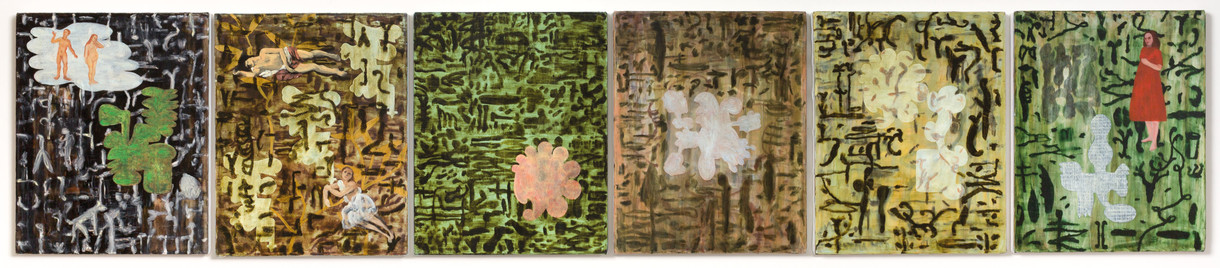
Among the selection of paintings that make up Delirium Crossing, Barbara Tuck’s Iris Gate stands apart. Painted in 1999, it is the earliest work in the show. Rather than the single square paintings that follow, this is a set of six rectangular canvases. Though small in scale, they are notable for their gestural vigour and looseness, their coloured grounds looking stubbornly like painted surfaces upon which figural elements float like collage fragments. No airy atmospherics, vertiginous perspectives, intricate tracery: ‘landscape’ has yet to appear. Equally, recalling earlier works, Iris Gate departs from the shaped, multipart, laser-cut aluminium paintings for which the artist became known in the early 1990s. Against the flow of art history, it marks a return to convention, in both format and facture, a backwards move to rectilinearity and the brush.
Commentary
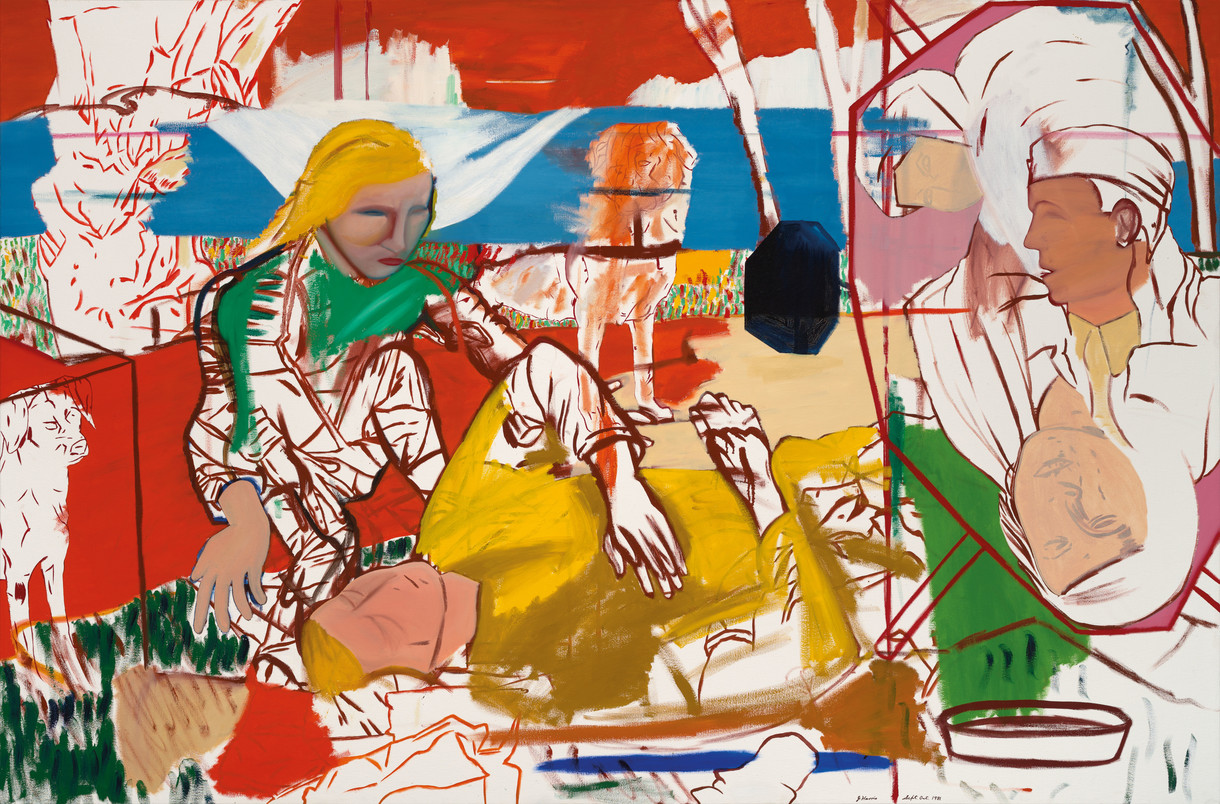
The Gift
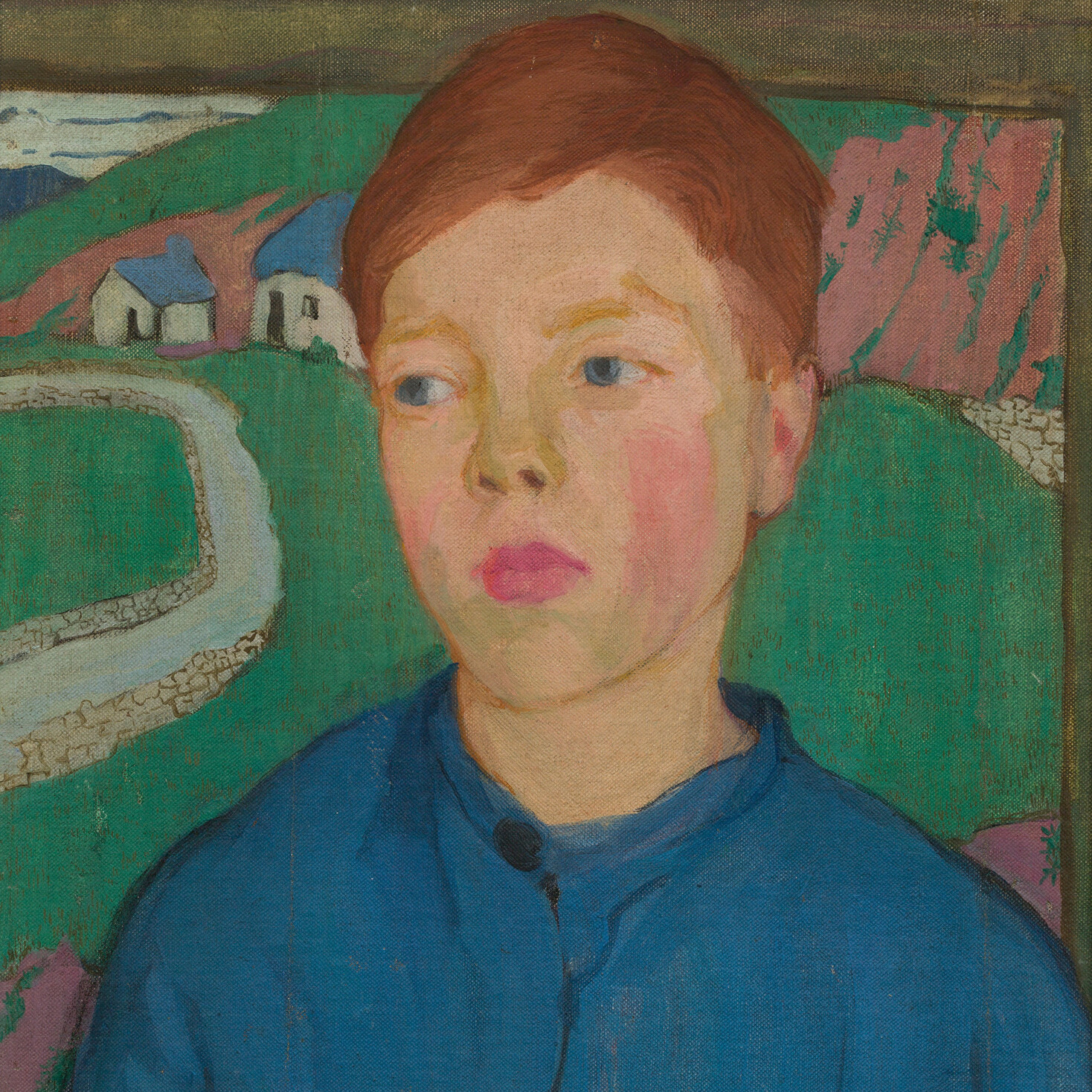
"I was born in Akaroa and grew up on Banks Peninsula. My parents have a farm there. I went to high school in Rangiora, then worked in Christchurch for three years before going to Dunedin. I grew up in a fairly isolated environment. In my three years in Christchurch nothing really happened to me. There were no outward changes in my life. I had no friends there. I was quite alone – and I started to paint."
Exhibition
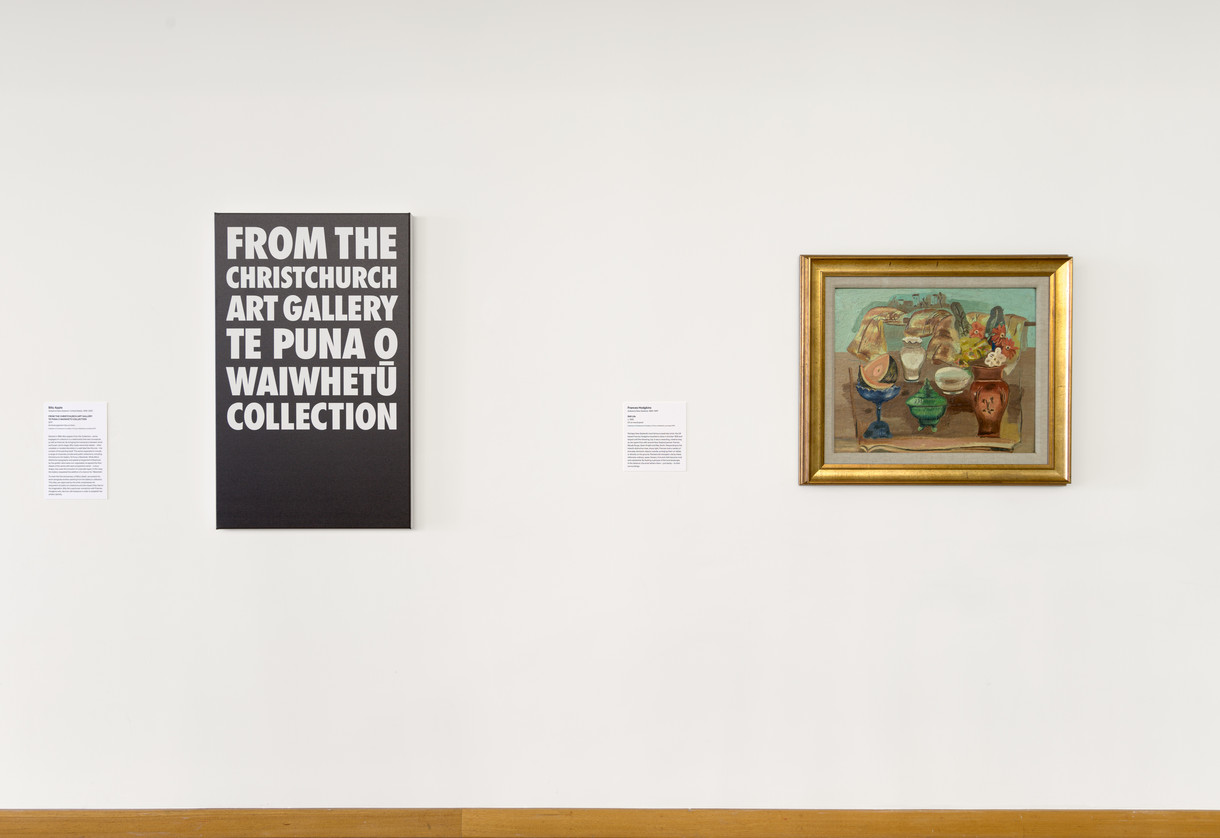
Billy Apple: From the Collection (Frances Hodgkins)
To mark the first anniversary of Billy Apple’s death, the Gallery installed his work FROM THE CHRISTCHURCH ART GALLERY TE PUNA O WAIWHETŪ COLLECTION alongside a vivid still life painted in Ibiza by Frances Hodgkins.
Collection
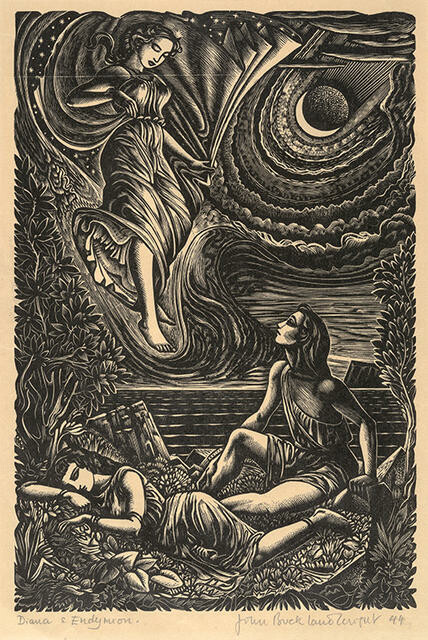
John Buckland Wright Diana & Endymion
Recognised internationally for his wood-engravings, John Buckland Wright originally came from Ōtepoti Dunedin and moved to England at a young age. He became interested in wood-engraving in the mid-1920s and taught himself the medium. Living in Brussels at this time, he joined De Vijf, a group of contemporary Belgian woodblock printers. He gained a reputation for book illustration and was commissioned to cut wood-engravings by some of the most celebrated private presses, including The Golden Cockerel Press. Among his best works are the fifty-eight wood-engravings he completed for John Keats’ Endymion, published by the Golden Cockerel Press in 1947, for which this work was made.
Ink on Paper: Aotearoa New Zealand Printmakers of the Modern Era, 11 February – 28 May 2023