Kā Kaupapa o te Wā
What’s On
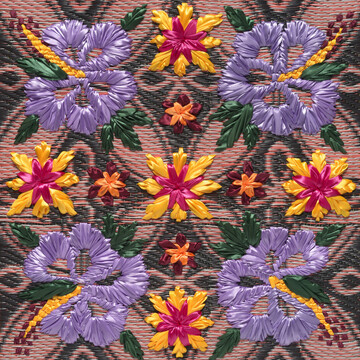
Made in the Pacific: A Collection of Tāoga
A selection of Pacific tāoga from the Canterbury Museum in conversation with contemporary artworks that highlight the continued strength in culture and traditional art forms.
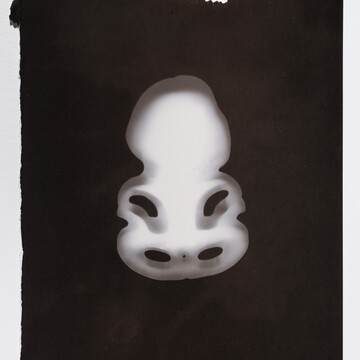
Mark Adams: A Survey | He Kohinga Whakaahua
A comprehensive survey spanning the artist's career.
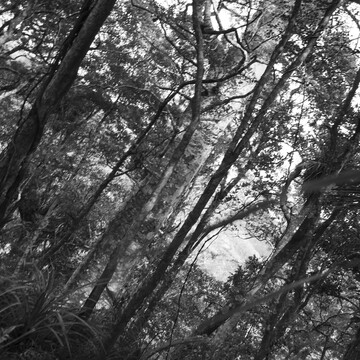
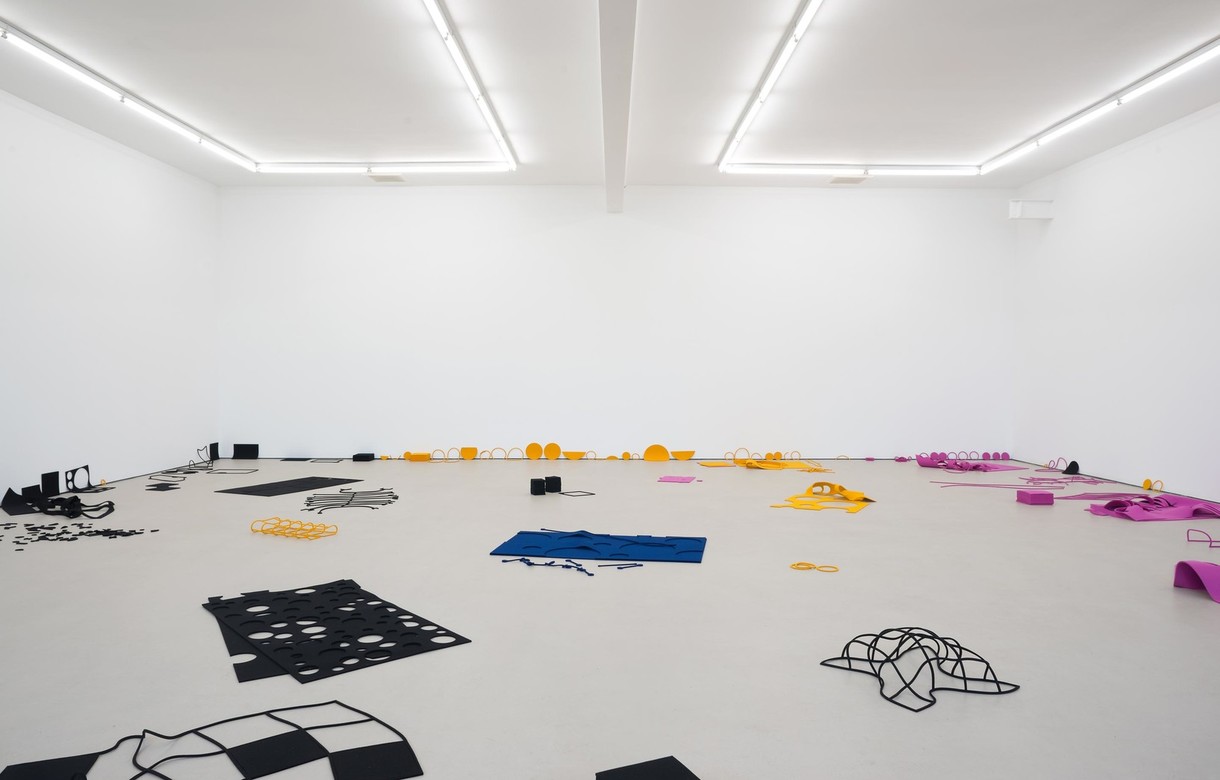
Ana Iti: Ngahere Behind a Pile of Metal
An immersive installation considering the legacies of deforestation and significance of kauri trees.
E tuwhera ana te wharetoi i kā rā e 7 o te wiki, 10am - 5pm
Ka tuwhera ki te 9pm i kā pō Wenerei
Open 7 days, 10am - 5pm
Late night Wednesday until 9pm
Uruka utukore, ahokore utukore
Free entry, free wifi
Collection
![Untitled [possibly Mount Alexander from the Taramakau River]](/media/cache/c9/d7/c9d7adc536307e7fec2d315668a49e7c.jpg)
Edmund Gouldsmith Untitled [possibly Mount Alexander from the Taramakau River]
The river pictured here may be the Taramakau in Te Tai Poutini West Coast, once a favoured travel route for Kāi Tahu across Kā Tiritiri-o-te-moana Southern Alps. Merging into Nōti Taramakau Harper Pass, this was one of the more accessible ways through this challenging terrain. London-trained artist Edmund Gouldsmith painted at the Taramakau and other Te Waipounamu South Island mountain regions during his two years in Aotearoa New Zealand.
Kāi Tahu ~ tribal group of much of Te Waipounamu South Island
He Kapuka Oneone – A Handful of Soil (from August 2024)
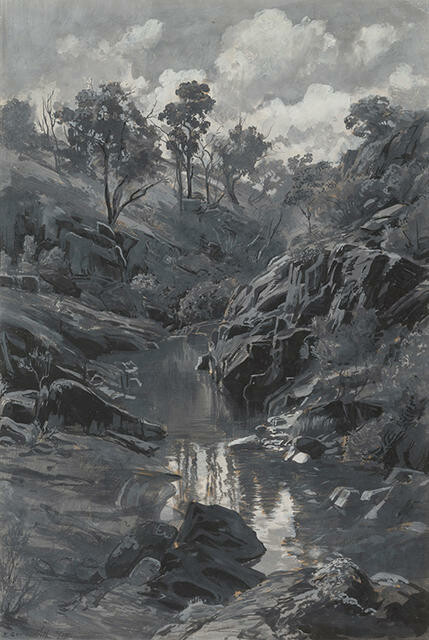
Collection
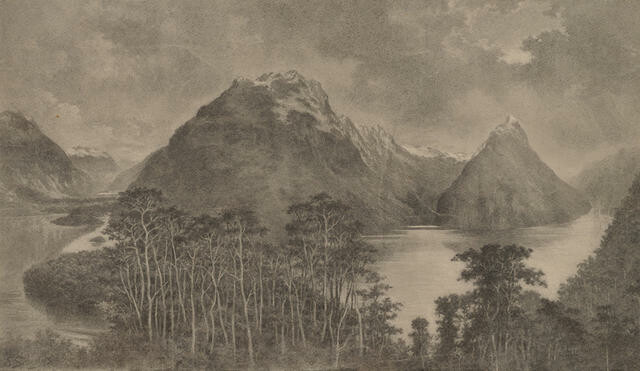
Edwin Robert Stapylton Sandys Milford Sound
Remote Te Rua-o-te-moko Fiordland was visited seasonally by Māori for hunting and fishing and to gather the prized takiwai pounamu from near the mouth of Piopiotahi Milford Sound. Traditional Kāi Tahu stories explain the area’s creation by Tū te Rakiwhānoa, who used his toki to carve rocks into fiords, the last of which, Piopiotahi, was considered his greatest triumph. The Australian warship HMS Opal first visited Milford Sound in 1888 with instructions to locate a briefly missing explorer. During a second visit the following year, the ship’s paymaster, Edwin Sandys, made this work to add to his collection of charcoal drawings of places visited.
takiwai pounamu ~ translucent variety of greenstone
Kāi Tahu ~ tribal group of much of Te Waipounamu South Island
toki ~ adze
He Kapuka Oneone – A Handful of Soil (from August 2024)